
Living near the Gulf
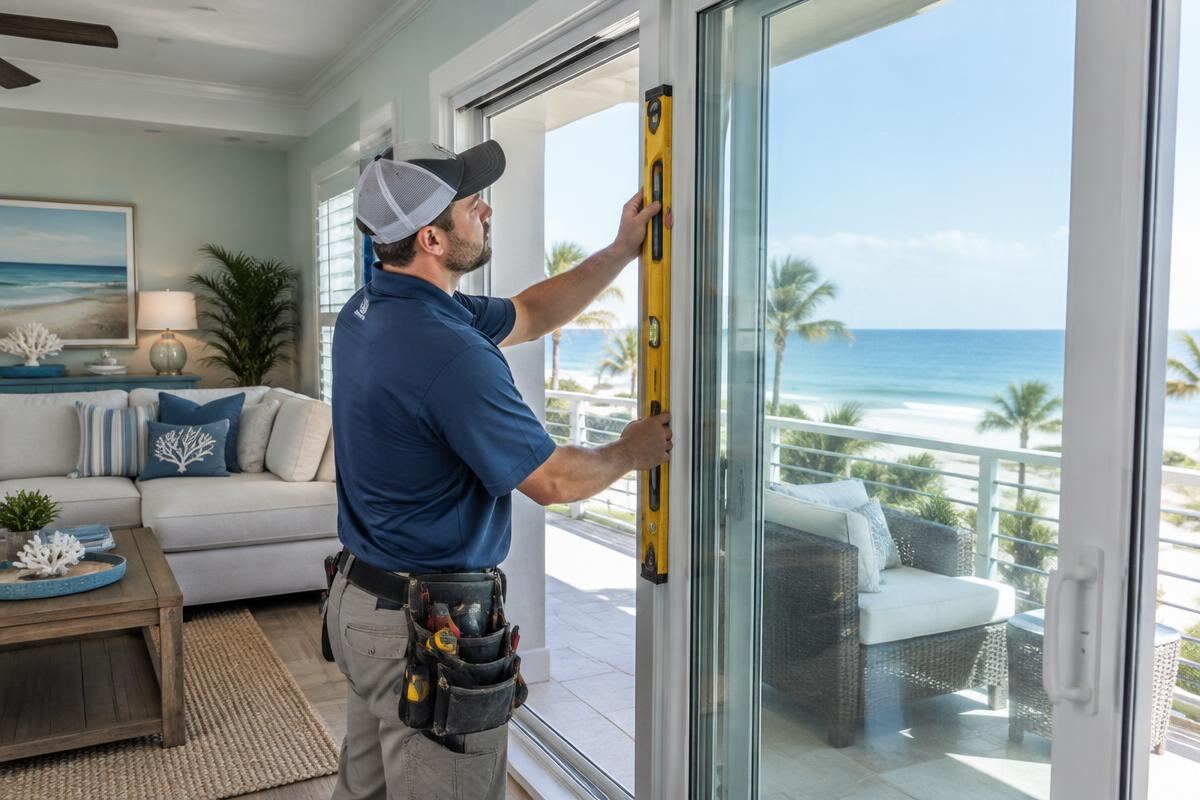
Naples' coastal setting is one of its best features, but it's demanding on sliding glass doors. Several local conditions combine to wear out the moving parts and seals faster than in milder, drier climates.
Salt air
Salt carried on the breeze settles on metal and speeds up corrosion. Aluminum tracks, steel roller parts, screws and lock components are all affected, especially in homes close to the water.
Sand
Fine sand travels in on feet, towels and pets, and blows in from lanais and pool decks. In the track it acts like sandpaper on rollers.
Humidity
Months of high humidity keep metal parts damp and encourage corrosion inside locks and rollers. Moisture can also make seals feel tacky and sticky.
Sun and heat
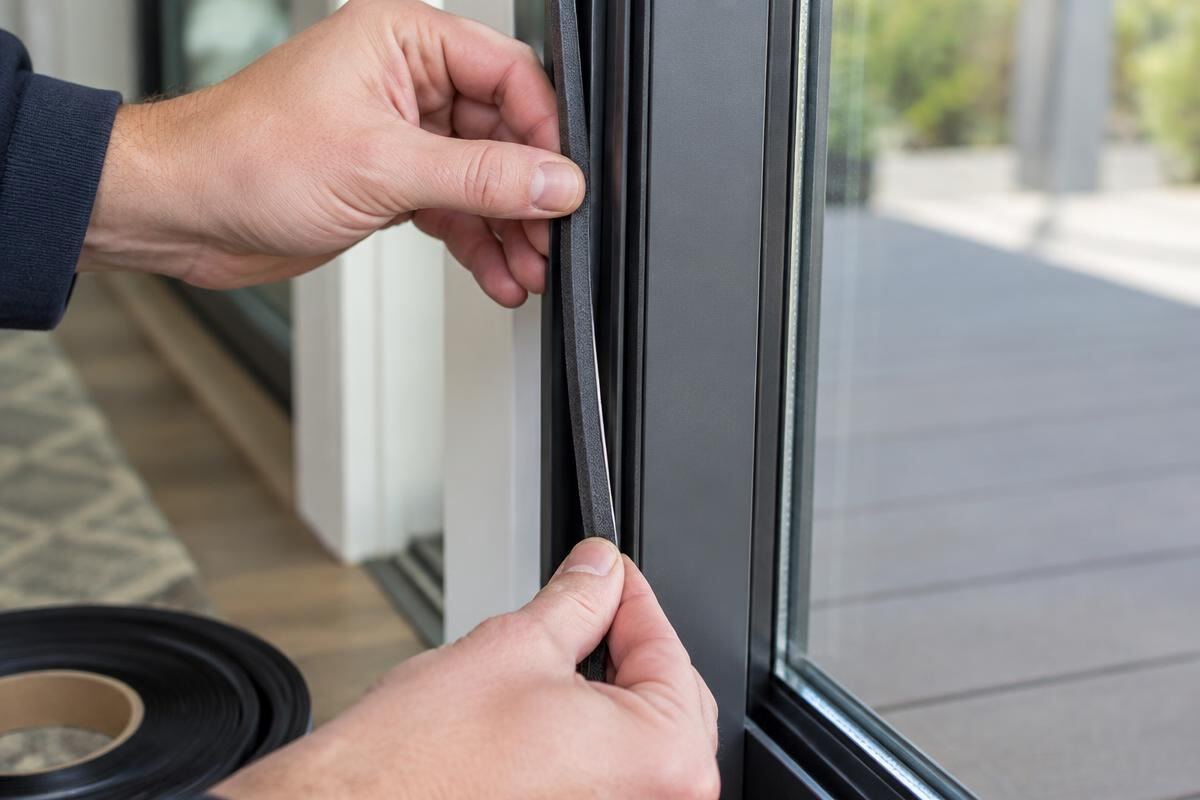
Strong UV and heat dry out weatherstripping and rubber seals, causing them to shrink, crack and fall away.
Storm season
Wind-driven rain tests every seal on a sliding door. Doors that are bumped while installing shutters or panels can also shift out of alignment.
Reducing the wear
You can't change the climate, but you can slow its effects:
- Vacuum the track regularly, especially in busy seasons
- Rinse and wipe down exposed metal near the beach
- Keep weep holes in the sill clear so water can drain
- Have rollers, seals and locks checked when you notice changes
Related services
- Sliding Door Weatherstripping Replacement
- Sliding Door Track Repair
- Sliding Door Roller Replacement
- Request a quote
Questions about this topic
Do homes near the beach need more door maintenance?
Generally, yes. Salt air and sand exposure tend to be higher closer to the coast.
What are weep holes?
Small drainage openings in the sill or frame that let water escape. If they're blocked, water can back up and overflow.